Back pain
How to treat lower back pain: a physiotherapist's guide
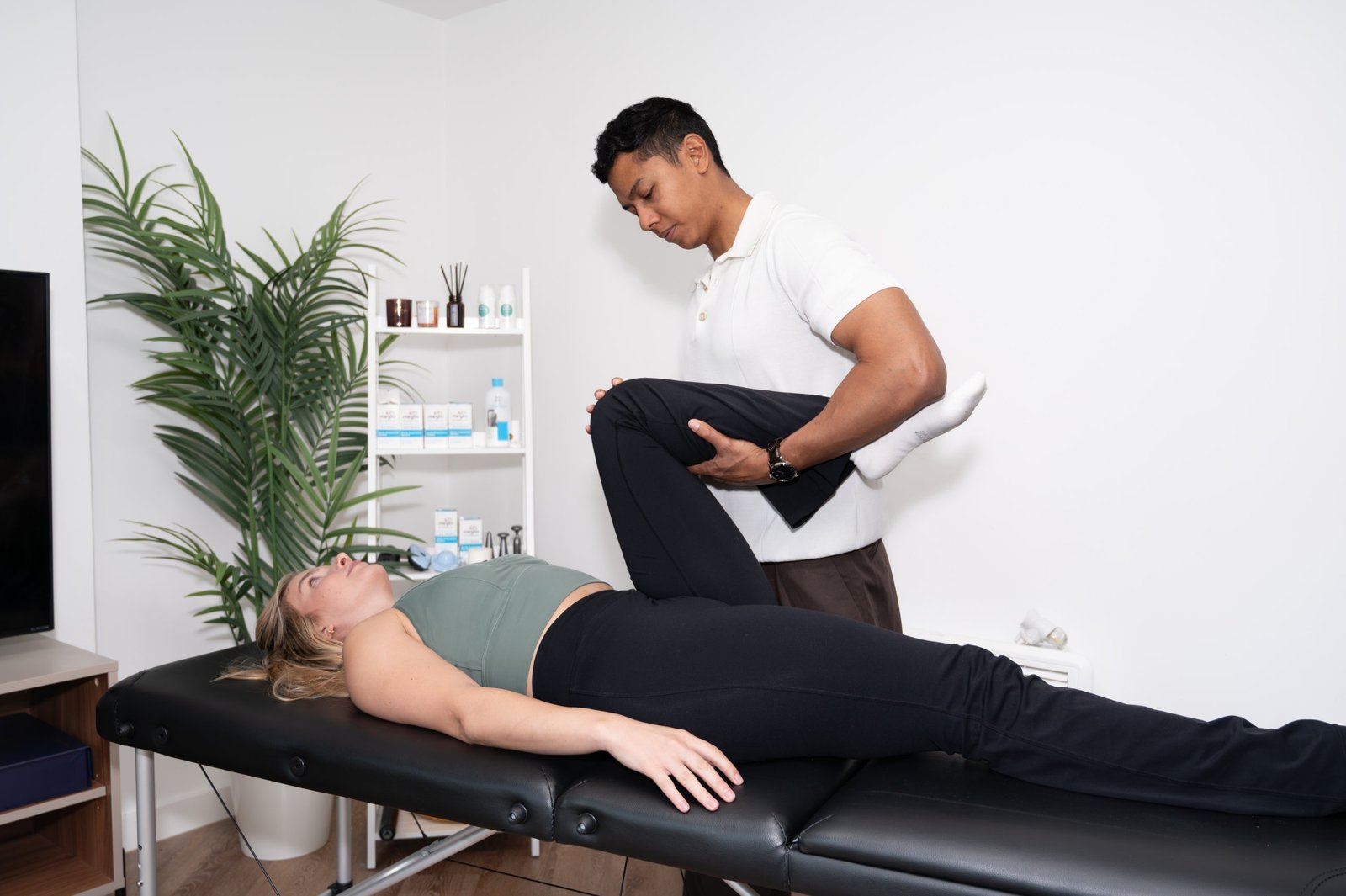
Lower back pain is the single most common reason patients walk into clinic, whether it started after a heavy deadlift, a long car journey, or seemingly nothing at all. The good news: the vast majority of lower back pain is mechanical, not structural damage, and responds well to the right kind of movement and treatment.
What's actually causing it
Most lower back pain isn't a "slipped disc" or anything alarming. It's more often a combination of stiff joints, tight or deconditioned muscles around the spine and hips, and a nervous system that's become sensitised to certain movements after the initial flare-up. That's why pain can persist long after any original tissue irritation has settled, and it's also why the right treatment focuses on restoring confident movement, not just "fixing" one structure.
What helps in the first 72 hours
- Keep moving. Complete bed rest slows recovery. Gentle walking, changing position regularly, and avoiding prolonged sitting all help more than lying flat.
- Avoid the movements that spike it sharply, but don't avoid movement altogether. A dull ache during activity is usually fine to work through; a sharp, worsening pain is your cue to ease off that specific movement.
- Heat generally helps more than ice for ongoing muscular tightness, though either can be useful in the first day or two.
- Simple pain relief, used as directed, can help you stay mobile while things settle. Speak to a pharmacist or GP if you're unsure what's suitable for you.
When to get it assessed
Most episodes of lower back pain ease significantly within a few weeks with the right approach. It's worth booking an assessment sooner if:
- The pain has lasted more than a week without any improvement
- It's radiating down one or both legs, especially below the knee
- You've noticed numbness, tingling, or weakness in your legs
- It's stopping you from working, training, or sleeping properly
- It followed a specific injury or high-impact event
If you notice loss of bladder or bowel control, or numbness in the saddle area, seek emergency medical attention immediately as this needs urgent assessment.
What a physiotherapy assessment actually involves
A proper assessment looks at how your spine, hips, and surrounding muscles move together, not just where it hurts. That means testing your range of movement, strength, and how your pain behaves with different positions and loads, to build a clear picture of what's driving it. From there, treatment usually combines hands-on work to ease the immediate tightness with a specific, progressive exercise plan, since building capacity in the muscles that support your spine is what keeps the pain from becoming a repeating cycle.
The goal isn't just to make today's pain go away. It's to understand why it started, so it doesn't keep coming back every few months.
If your back pain has been hanging around longer than it should, or keeps flaring up under the same load, a proper assessment will tell you exactly what's going on and what to do about it.