Running
Returning to running after an injury: a step-by-step guide
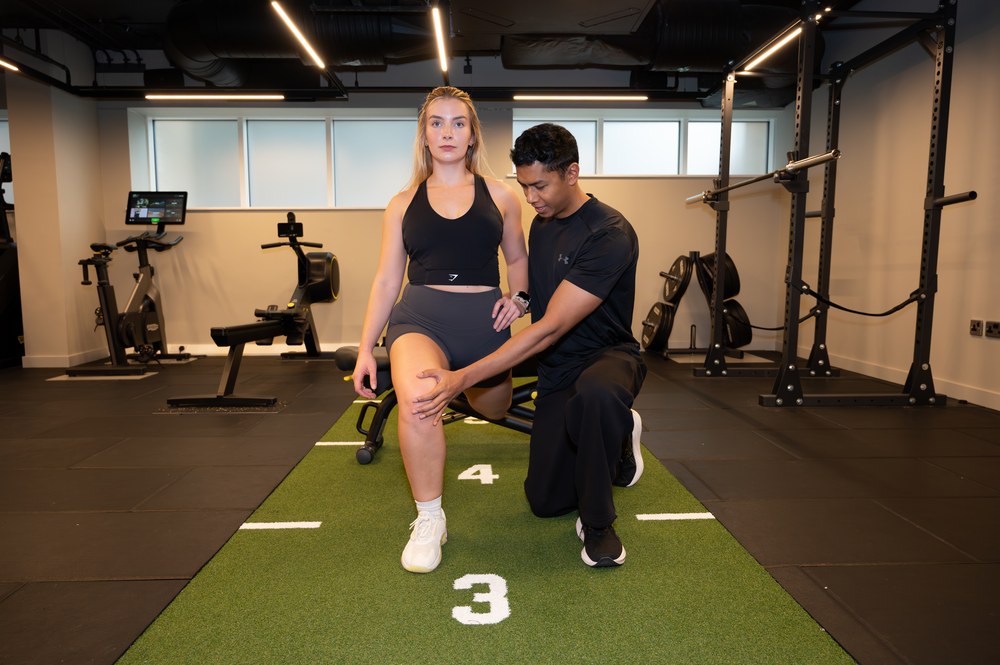
The most common mistake after a running injury isn't doing too little, it's coming back too fast. Pain-free at rest doesn't mean ready for your old mileage, and the injuries physios see most often in runners are the second injury: the one that happens two weeks after returning, because the return was rushed.
Step 1: Confirm you're actually ready
Before adding any running back in, you should be able to walk briskly, single-leg hop, and do basic strength work for the affected area without pain. If any of those still provoke symptoms, running will too.
Step 2: Start with a run-walk structure
Rather than jumping straight back into your usual 5K, alternate short intervals of running and walking, for example one minute running, one minute walking, for 15-20 minutes total. This limits the cumulative load on the healing tissue while still letting you build tolerance.
Step 3: Increase one variable at a time
Total distance, running speed, and hill or trail terrain each add different types of load. Increase only one of these at a time, and only once the previous level has felt completely comfortable for two to three sessions in a row.
Step 4: Respect the 24-hour rule
Some muscle fatigue during a return-to-run session is normal. What matters is how you feel the next day. If pain has increased 24 hours later, you've progressed too quickly and should drop back a stage before trying again.
Step 5: Keep the strength work going
The strength and mobility work that got you pain-free shouldn't stop once running starts again. Most running injuries are related to a capacity gap somewhere up the chain, commonly the hip or calf, and that gap needs continued loading even as your mileage increases.
When to get help
If you've tried a structured return more than once and keep hitting the same wall, it's worth getting assessed properly. A gait and strength assessment usually identifies exactly which movement pattern or muscle group is limiting your return, so your programme can be built around the actual cause rather than trial and error.