Physiotherapy in Birmingham
Lower back pain physiotherapy in Birmingham City Centre
Stiff, sore or catching every time you sit, lift or train? Most lower back pain is mechanical and responds well to the right mix of hands-on treatment and progressive movement. The assessment works out which parts apply to you.
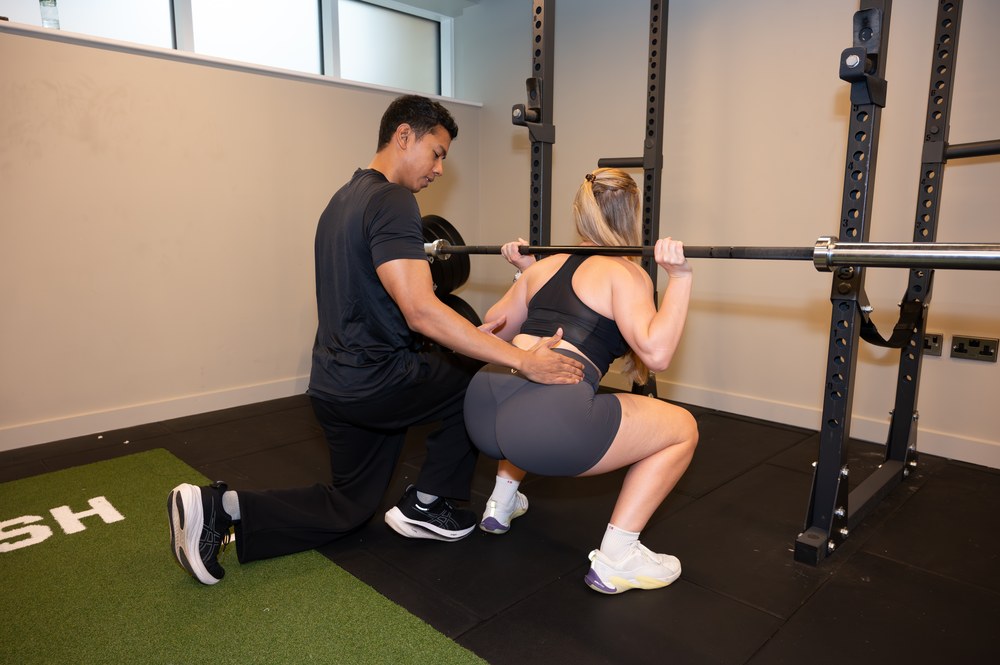
What's usually behind lower back pain
- Stiff spinal joints and tight or overworked muscles around the back and hips
- Long hours sitting, then a sudden jump in lifting, running or training
- A nervous system that has become protective and sensitive after a flare-up
- Weak or deconditioned muscles that struggle under load
How physiotherapy helps
Your first appointment is a 60-minute one-to-one assessment for £70. It covers:
- A full history and movement assessment of your spine, hips and strength
- Hands-on joint and soft-tissue treatment on the day to ease the immediate pain
- Acupuncture, sports massage or cupping alongside it, where they suit your presentation
- A graded exercise plan so the pain stops returning, plus advice on staying active while it settles
You'll leave knowing what's going on, what you can do about it and what happens next. Evening and weekend appointments are available at Apo at the Holloway, Birmingham City Centre. Receipts are provided for claiming back through work where your employer allows.
When to get help urgently
Seek urgent medical help (A&E or 999) if you notice loss of bladder or bowel control, numbness around the groin or saddle area, weakness in both legs that is getting worse, or back pain after a significant fall or accident.
Common questions
Do I need a scan for lower back pain?
Usually not. Most lower back pain is diagnosed from your history and a physical assessment. If anything suggests a scan would help, Joel will tell you and explain why.
How many sessions will I need?
It varies with how long you've had it and what's driving it. You'll leave the first session with a clear plan and an honest idea of what to expect.
Should I rest a sore back?
Complete rest usually slows recovery. Staying gently active and avoiding only the movements that sharply flare it up generally works better.
Related
Get your lower back pain assessed
One thorough session, hands-on treatment on the day and a plan you can follow.